The Web3 business has seen super development over the previous couple of years. Decentralized finance (DeFi), non-fungible tokens (NFTs), decentralized autonomous organizations (DAOs), and so on., to call a couple of, receiving an abundance of each media consideration and funding. Furthermore, we’re more likely to see these sectors continue to grow. Nevertheless, within the shadow of those ideas, we discover the fascinating and equally thrilling notion of Web3 identities. A Web3 identification for customers is key for Web3 improvement and the whole house to understand the total potential of decentralization. As such, this text will discover all you must learn about Web3 identification!
To know what a Web3 identification is, we’ll begin the article by trying nearer at authentication and identities within the context of Web2. In doing so, we’ll discover among the drawbacks of the standard mannequin. Following this, we’ll discover what a Web3 identification is and why they’re important for the Web3 ecosystem.
As soon as we grasp the idea of a Web3 identification, we’ll take a better take a look at the best way to authenticate Web3 customers by Moralis! That is doable with a single line of code because of Moralis’ authentication API, making this course of extra seamless. Lastly, we’ll prime the whole lot off by exploring three potential use instances for Web3 identities.
The Web3 authentication API is among the instruments permitting Moralis to bridge the hole between Web2 and Web3 improvement. As well as, Moralis makes the implementation of Web3 syncs and Web3 webhooks extra seamless. Furthermore, Moralis gives an intensive set of APIs. Amid these interfaces, you’ll, amongst others, discover each the NFT API and EVM API.
As such, if you want to develop into a blockchain developer, be sure that to enroll with Moralis!
Web3 Identification – Username and Password Paradigm
The early levels of the web have been and not using a native identification layer for individuals. As such, the accountability of digital identities was shouldered by the assorted web sites and purposes of the web. This strategy was applicable for the present know-how and the variety of customers again then. Nevertheless, now with billions of net customers, the drawbacks of this method have gotten more and more obvious.
A mannequin primarily based on usernames and passwords has been the dominant paradigm for fairly a while, regardless of repeatedly proving to be a fault and insecure mannequin. Furthermore, individuals need to juggle a number of passwords for various web sites leading to a adverse consumer expertise. That is obvious as there are multi-million greenback companies with the only goal of serving to people handle their fragmented accounts.
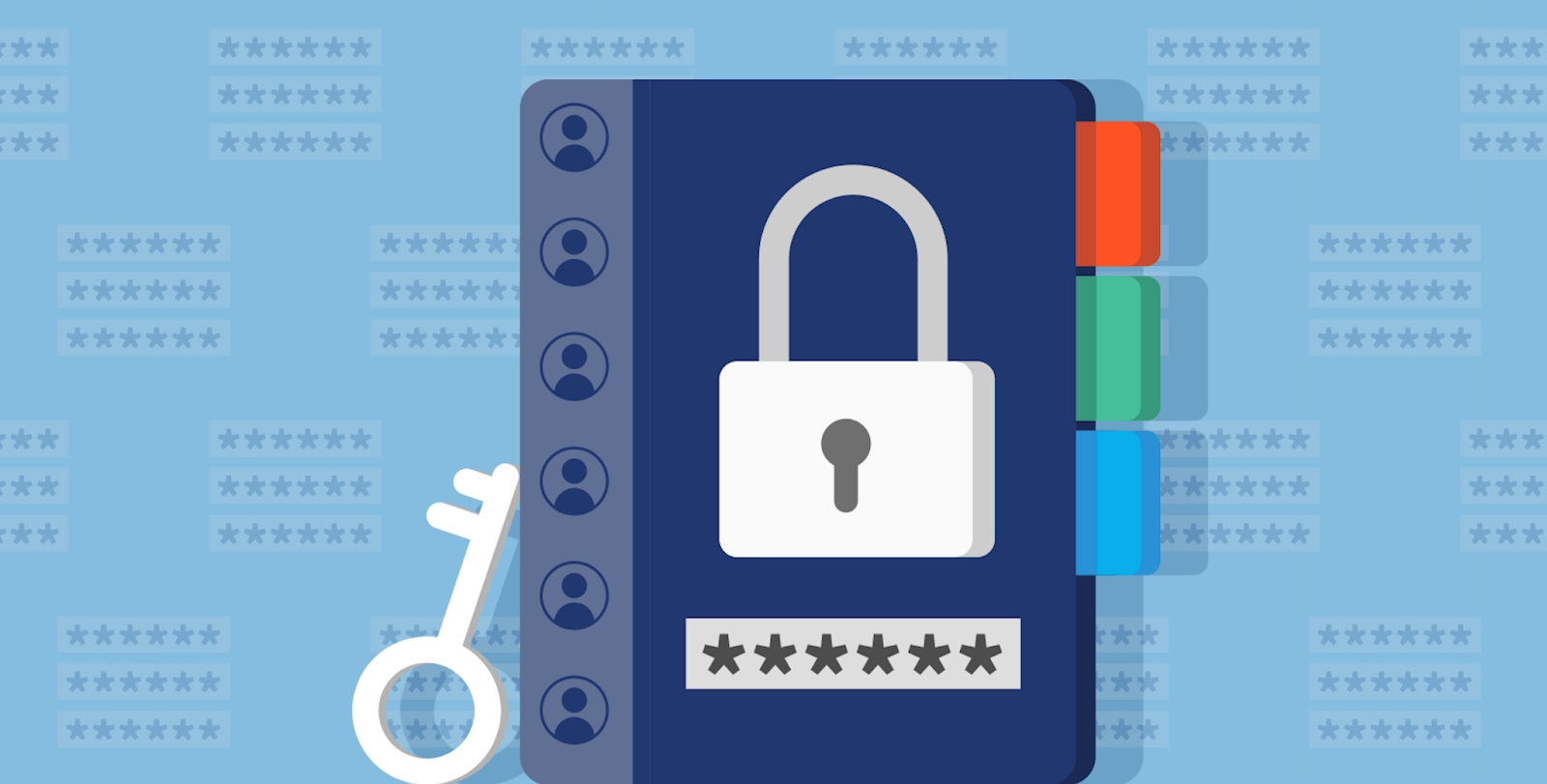
Nevertheless, the principle problem isn’t essentially the poor consumer expertise however slightly the truth that people don’t personal their identities and information. As an alternative, customers mainly lease their identification from central entities akin to giant conglomerates and companies. As such, they’re susceptible to the dangers related to centralization, together with hacking, censorship, manipulation, and even lack of information.
These flaws spotlight the necessity for change, which may now be facilitated by the arrival of Web3 and the underlying know-how. Nevertheless, this potential shift in how identities are dealt with on-line positively influences customers and presents alternatives for companies to innovate and enhance consumer experiences. As that is more likely to develop into the case, we’ll dive deeper into the intricacies of Web3 within the following part and attempt to reply the query, ”what’s a Web3 identification?”.
Web3 and Identification
Decentralization, openness, possession, safety, and management of information, and so on., are among the defining traits of Web3. Nevertheless, to completely obtain decentralization and these different pervading traits of Web3, a central thought is that people want their very own Web3 identification.
With out a Web3 identification, it will be difficult for individuals to confirm their credentials, one thing that may show problematic within the present Web3 ecosystem. As such, Web3 identities play an important function within the subsequent stage of the web. Sadly, the idea of a Web3 identification for all customers has been ignored in comparison with extra distinguished concepts akin to DeFi, DAOs, NFTs, and so on. Nevertheless, a versatile, shared, and resilient identification layer is important for the ecosystem of the decentralized net. So, what precisely is a Web3 identification?
A Web3 identification supplies customers with full management to handle their info instantly. Moreover, a Web3 identification is usually an handle on the web used to search out info and information related to a specific particular person. This info accommodates info enabling use instances like information encryption, communication, sign-in mechanism, and so on. This information is safeguarded by cryptographic proofs akin to digital signatures.
To summarize, a Web3 identification is mainly a protected and safe digital identification for people offering them extra management of their private information and data. This isn’t solely totally different from conventional identities mentioned in Web2 and even Web1. Nevertheless, the first distinction is in relation to possession and interoperability.
This means {that a} Web3 identification facilities round a user-centric possession mannequin the place portability is a precedence. As such, the identification layer allows the transferability of inherited info. This technique, compared to the frequent Web2 system, implements a proactively fitted portability resolution.
Moreover, a standard idea usually related to Web3 identities is SSIs or self-sovereign identities. That stated, what are SSIs?
Self-Sovereign Identities (SSIs)
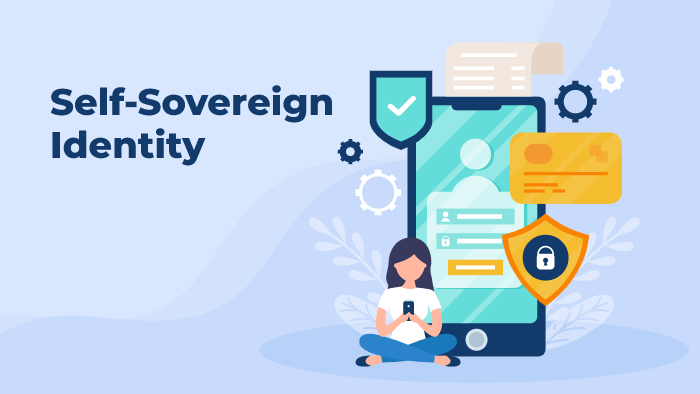
SSIs, or self-sovereign identities, middle the management of knowledge solely round customers. That is in the end in keeping with the central concepts of Web3, as SSIs eradicate the necessity to retailer private info in central servers and databases. As an alternative, people are in management over what info they share, guaranteeing a better diploma of privateness. This presents a user-centric strategy the place people change genuine and digitally verified info securely.
An ecosystem the place people have their very own Web3 identification can show extremely helpful for enterprises. To begin with, it could considerably enhance the UX (consumer expertise) as customers can use the identical credentials for a number of totally different platforms. Because of this, it removes the necessity for a number of login credentials for various web sites.
What’s extra, it’s going to eradicate the frictions throughout onboarding. As such, with the clicking of a button, customers could have entry to providers with out the necessity to enroll, and so on. This means that companies’ providers will develop into extra accessible to all customers. Not solely will it probably enhance enterprise, however it’s going to moreover contribute to a extra seamless consumer expertise.
With a greater thought of what a Web3 identification and SSIs are and why they’re necessary for the Web3 ecosystem, we will take a better take a look at how one can implement authentication mechanisms for these digital identities. The very best methodology for doing so is with Moralis’ Auth API! As such, we’ll take the next part to dive deeper into the Moralis authentication API.
Moralis’ Authentication API – Web3 Auth Made Straightforward
It doesn’t matter if you’re trying to create a completely new Web3 app, join an present Web2 consumer database by Web3 authentication, or leverage authentication aggregators akin to Auth0; Moralis’ authentication API will make all these processes extra accessible. This means that Moralis’ Web3 authentication API allows you to shortly and simply implement authentication mechanisms for a consumer’s Web3 identification in a number of eventualities!
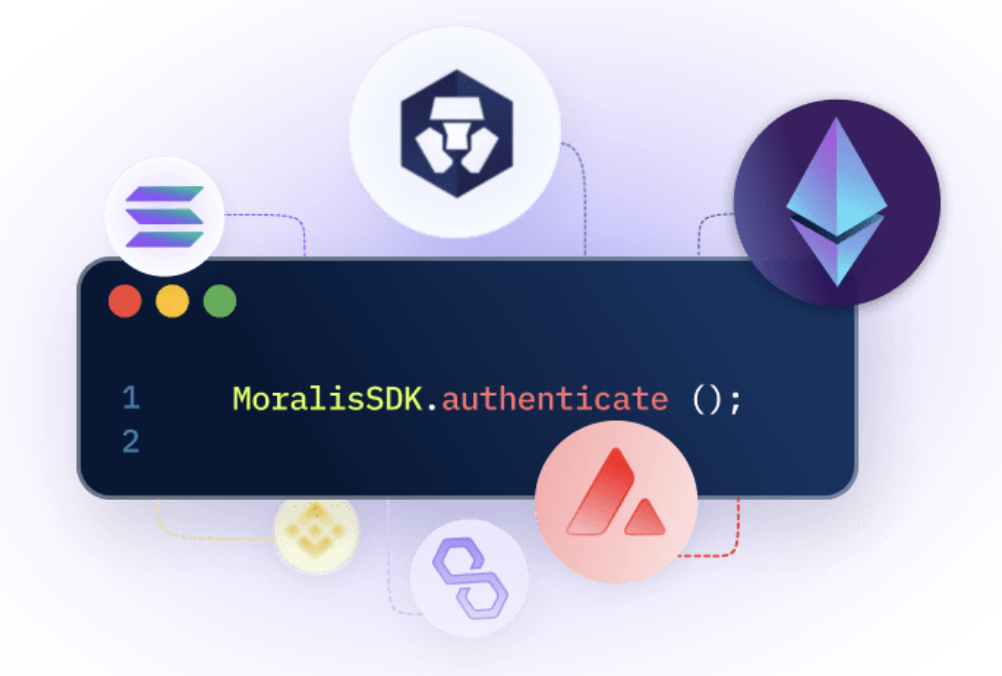
With out Moralis’ authentication API, you would want to redirect customers to third-party auth interfaces, totally grasp Web3 auth flows, discover ways to confirm and signal pockets messages, arrange pockets requirements, and so on. These are all cumbersome duties you could keep away from by the utilization of Moralis. As an alternative, Moralis provides one unified API for all Web3 auth strategies together with a complete SDK, which lets you combine these functionalities into all tasks seamlessly. What’s extra, the API is appropriate with different auth aggregators akin to Auth0.
Moreover, if you’re accustomed to the Web3 realm, additionally, you will know that the business strikes shortly. As such, you must fear about new Web3 wallets and chains popping up always. Nevertheless, this could all be averted with Moralis’ Web3 authentication API because it provides a future-proof authentication move.
The API permits you to mix the accessibility and ease of Web2 improvement with the capabilities of Web3 tech. As such, it’s a manner so that you can simply bridge the hole between Web2 and Web3. You’ll be able to, due to this fact, focus your assets towards maximizing consumer worth as you possibly can put much less emphasis on implementing options.
In reality, with Moralis’ authentication API, you possibly can authenticate customers with solely a single line of code. This means you should not have to waste time on unnecessarily advanced integrations. Because of this, you possibly can eradicate onboarding frictions and future-proof your sign-up flows!
Web3 Identification Use Instances
Now that we now have explored Moralis’ authentication API – which is the best method to confirm a consumer’s Web3 identification – we will proceed and take a better take a look at some potential use instances for these identities. The Web3 identification use instances are plentiful, and something related to decentralization welcomes Web3 identities with open arms.
NFTs, metaverse, gaming, and peer-to-peer transactions are a couple of examples. As such, it’s steered that an open commonplace and the interoperability of a Web3 identification will play an important function within the continued facilitation of a multi-chain ecosystem.
So, to completely perceive Web3 identities and their roles inside the Web3 ecosystem, we’ll discover some potential use instances. We’re going to begin with NFTs!
- Web3 Identification: NFTs – Throughout the NFT sector, a Web3 identification can help in proving who created, owned, and at present owns an NFT throughout its complete lifecycle. What’s extra, Web3 identities might be useful in creating NFT gated web sites. These are web sites the place customers should authenticate and personal at the very least one token from a specific NFT assortment to entry locked content material.
- Web3 Identification: Gaming – One thrilling utility space is gaming. On this sector, it’s doable to combine NFTs, Web3 identities, and gaming to kind one thing distinctive. This mix can unlock a brand new expertise for avid gamers. Whereas NFTs are perfect for capturing shortage and uniqueness, a Web3 identification is ideal for storing traits, particularly when they’re distinctive to a participant.
- Web3 Identification: Metaverse – Throughout the gaming business or elsewhere, a verifiable and interoperable Web3 identification can be important for the metaverse and the whole consumer expertise. This can be relevant on a number of ranges, from when creating consumer profiles to transactions inside the metaverse, the flexibility to create, purchase and transfer avatars/property, and so on.
Web3 Identification – Abstract
From a standard viewpoint, on-line identification has primarily been the accountability of the organizations behind net pages and purposes. Nevertheless, upon nearer inspection, we highlighted the issues related to the present centralized mannequin primarily based on usernames and passwords. With the brand new Web3 paradigm, this outdated mannequin doesn’t make a lot sense. As such, the house tailored and created what is named Web3 identities.
Decentralization, openness, safety, and so on., are pervading traits of Web3. For these to be attainable, customers have to be answerable for their very own Web3 identification. This supplies extra privateness and safety to customers. Nevertheless, a Web3 identification for all customers can be positively benefiting companies and organizations. Furthermore, Web3 identities make onboarding processes extra seamless and supply a extra compelling buyer expertise making manufacturers extra engaging.
What’s extra, along with exploring the intricacies of Web3 identities, we took a better take a look at Web3 authentication. In doing so, we explored Moralis’ Web3 authentication API, making this course of considerably extra accessible. In reality, with this API, it’s doable to authenticate customers with solely single snippets of code! In order for you extra info on this, be sure that to go to Moralis’ auth documentation.

Nevertheless, that is solely one of many areas during which the Moralis platform shines. For extra info on Web3 improvement, contemplate trying out Moralis’ Web3 weblog. As an example, discover ways to fetch an NFT by handle API, pull information from Polygon blockchain, or uncover the whole lot you must learn about blockchain syncs! That manner, you possibly can take your blockchain improvement abilities to the subsequent stage very quickly!
When you have ambitions to develop into a extra distinguished Web3 developer, enroll with Moralis instantly. Creating an account is free and solely takes a few seconds; you don’t have anything to lose!

