With the Ethereum Web3 API introduced on this article, builders can fetch native balances, token balances, and NFTs utilizing single traces of code! Though we’ll discover this API and its code additional down under, let’s do a sneak peek of the snippets that may fetch the aforementioned on-chain knowledge:
const nativeBalance = await Moralis.EvmApi.steadiness.getNativeBalance(choices)
const tokenBalances = await Moralis.EvmApi.token.getWalletTokenBalances(choices)
const nftsBalances = await Moralis.EvmApi.nft.getWalletNFTs(choices)
In case you are keen to construct with one of the best Ethereum Web3 API, create your free Moralis account, leap into the EVM API documentation and begin tackling our tutorials. Nonetheless, should you want a serving to hand in getting began, discover the next sections. When you perceive the fundamentals and have a strong understanding of Moralis, we’ll display the right way to implement the traces of code outlined above. So, are you prepared to begin your “Web3 Ethereum JavaScript API” journey? Let’s start!
Overview
Ethereum stays the main Web3 improvement blockchain, and plenty of different blockchains comply with Ethereum’s footsteps by counting on Ethereum Digital Machine. Because of this the preferred options are EVM-compatible. Therefore, the final word Ethereum Web3 API can also be one of the best EVM API. As such, it’s an important instrument for devs trying to create dapps (decentralized functions) shortly and simply. Additionally, since JavaScript (JS) continues to be the main programming language for net improvement, the Web3 Ethereum JavaScript API tends to be the preferred choice. Nonetheless, as you’ll be taught herein, you should utilize many different programming languages to grasp one of the best Ethereum API in 2023.
Transferring ahead, we’ll first guarantee you recognize what the Ethereum community is. We’ll additionally shortly repeat what an API is. Then, we’ll introduce you to Moralis – the market’s main enterprise-grade Web3 API supplier. That is the place you’ll be taught what makes this toolbox so common and highly effective. Final however not least, we’ll tackle kind of a “Web3 JS tutorial” the place you’ll be taught to create a NodeJS dapp and fetch helpful on-chain knowledge.

The Ethereum Community – What’s it?
As it’s possible you’ll know, Ethereum was the primary absolutely programmable blockchain that went dwell in July 2015. It was based by Vitalik Buterin, Gavin Wooden, Charles Hoskinson, Anthony Di Iorio, and Joseph Lubin. Following Bitcoin’s lead and the definition of blockchain, Ethereum is a decentralized, digital, public ledger. It verifies and data transactions on its community. Nonetheless, due to its programmability, it turned much more than what Bitcoin is – the main decentralized community. In consequence, Ethereum and EVM added fairly a bit to the inspiration of Web3. The latter is the brand new iteration of the online specializing in possession.
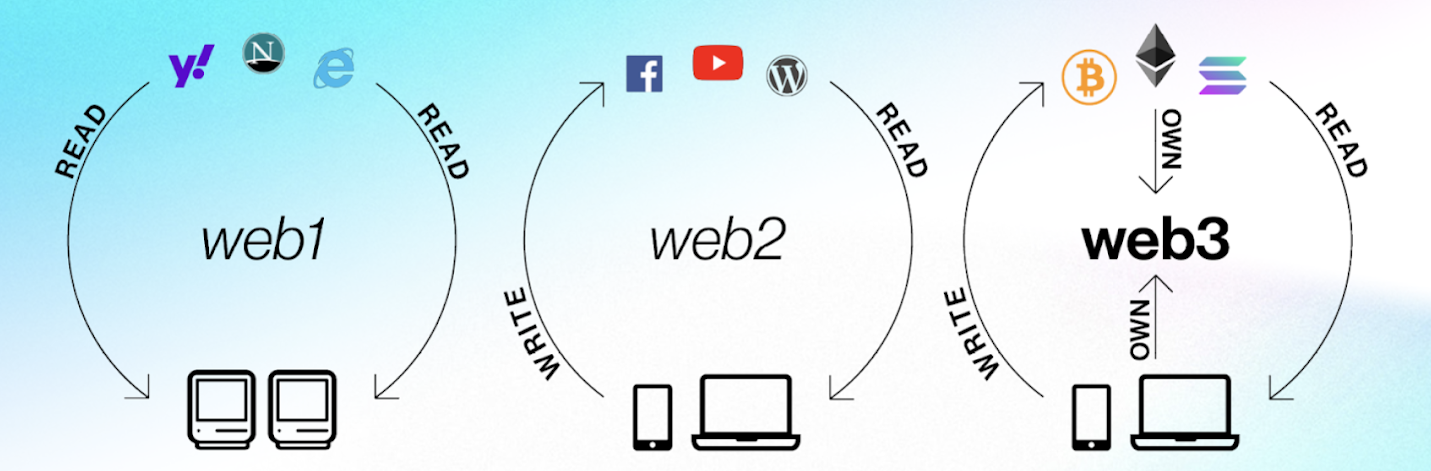
Moreover, as “ethereum.org” explains, Ethereum offers open entry to digital cash and data-friendly providers. Anybody with an web connection can use and construct on the Ethereum community. Moreover, the flexibility to ship and obtain crypto belongings is a vital a part of Ethereum’s Web3 community. The latter embrace Ethereum’s native coin (ether or ETH), fungible tokens (e.g., ERC20 tokens), and non-fungible tokens (NFTs).
One other important core facet of the main programmable chain is sensible contracts. These are the inspiration of many dapps and all cryptocurrencies. Moreover, good contracts (Web3 contracts) are on-chain items of software program. They set off particular, predefined actions when sure predefined circumstances have been met. Because of good contracts, Web3 can get rid of numerous go-between providers. Nonetheless, due to one of the best Ethereum Web3 API, you possibly can create all kinds of dapps with out deploying a wise contract.
What’s an API?
An API, or utility programming interface, facilitates communication between software program. Basically, it interprets directions for mutual understanding. By doing so, APIs present a dependable and constant provide of capabilities and requests. This additionally ensures dependable programming in a protected and managed improvement surroundings.

The complete ecosystem of the web depends on APIs. We’re all repeatedly involved with these interfaces. Each time we use any of our gadgets (smartphones or computer systems), they hook up with the web and switch info to a server or database (see the picture above). Then, the receiving finish should interpret the info, carry out some actions, and ship again a response to our gadgets. Subsequent, our gadgets proceed by analyzing the data and presenting it in a readable means. Furthermore, APIs facilitate this complete course of to make sure that the concerned items of software program can talk efficiently.
What’s an Ethereum Web3 API?
Within the context of the decentralized net usually, an Ethereum API ensures the communication between blockchain nodes and backend scripts for decentralized functions (dapps). As a Web3 developer, it can save you numerous time and sources by using a dependable Ethereum Web3 API. In any case, the latter allows you to use present code snippets to fetch all kinds of on-chain knowledge. As well as, a correct Web3 Ethereum JavaScript API permits you to use different JS instruments to create any kind of dapps.
With that definition in thoughts, it’s apparent {that a} correct Ethereum Web3 API makes blockchain improvement considerably extra accessible. By eliminating the necessity to reinvent the wheel, such an API permits you to deal with different points of your dapp improvement.

Introducing the Greatest Ethereum Web3 API
There are a number of Ethereum Web3 API suppliers on the market. Nonetheless, the scope, reliability, and velocity of Moralis’ EVM API, together with 24/7 worldwide buyer assist, make this the go-to instrument for dapp improvement. As well as, Moralis allows you to bridge the event hole between Web2 and Web3. Because of its cross-platform interoperability, you possibly can be a part of the Web3 revolution along with your legacy expertise and instruments.

Moreover, with Moralis’ Web3 Ethereum JavaScript API, your JS proficiency is sufficient to create killer dapps. Nonetheless, you should utilize many different programming languages, frameworks, and platforms with Moralis’ API, together with NodeJS, Python, C#, and extra!
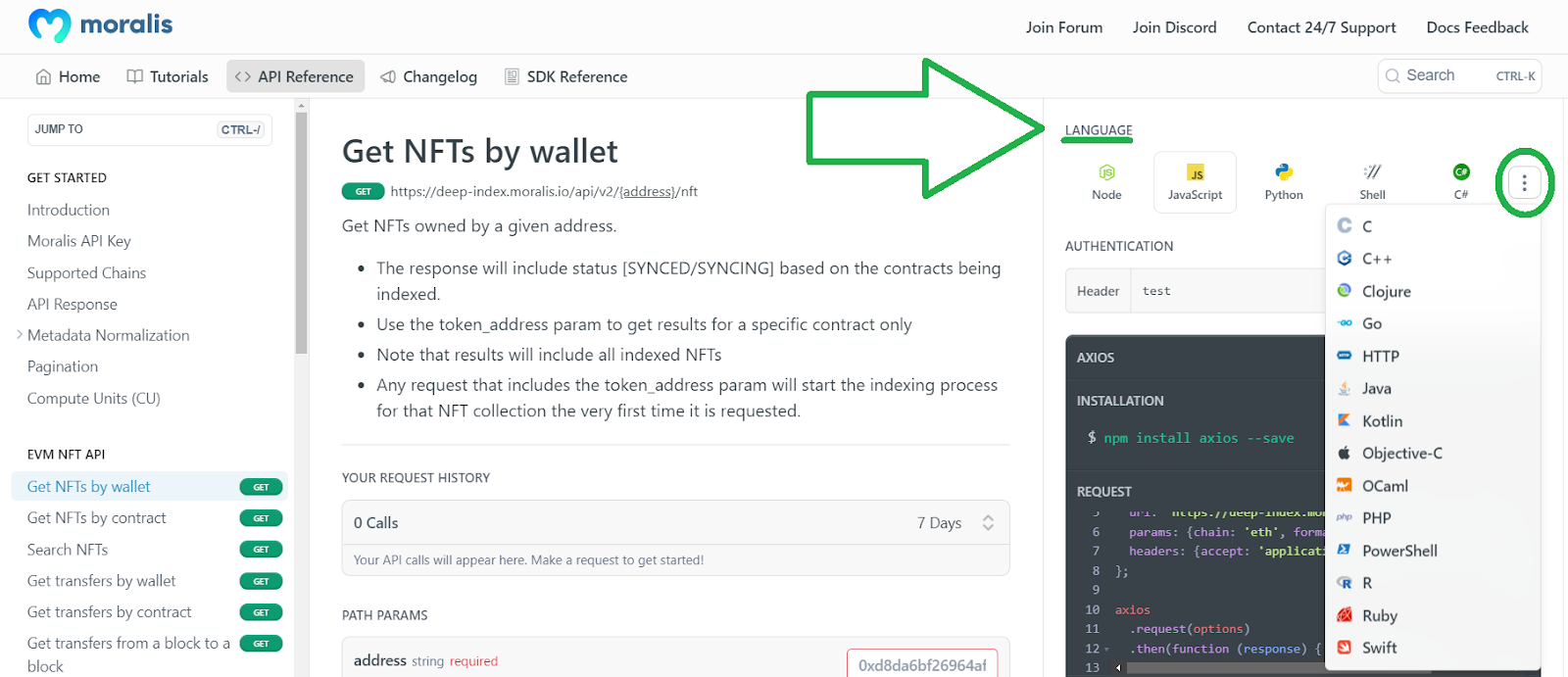
One other essential facet is Moralis’s cross-chain interoperability, which helps all main blockchains, and repeatedly provides assist for brand spanking new respected chains. In flip, Moralis’ API serves Ethereum and plenty of different blockchains. This characteristic provides you a lot choices and future-proofs your work because you’ll by no means be caught to any explicit chain.

Web3 APIs from Moralis
The next is an inventory of Moralis’ core Web3 APIs that concentrate on Ethereum and different main EVM-compatible chains:
- Web3 Auth API – Web3 authentication is a gateway to each dapp. Moralis makes integration of that characteristic as easy because it will get. The Web3 Auth API is appropriate with OpenID, OAuth, DIDs, and different requirements.
- NFT API – As issues stand, NFTs will proceed to be all the trend. As such, it’s essential to have the ability to construct all kinds of dapps round these distinctive crypto belongings effortlessly. With Moralis’ NFT API, you possibly can construct NFT marketplaces, NFT video games, NFT trackers, and rather more with out breaking a sweat.
- Streams API – Have you ever been making an attempt to determine whether or not to make use of Web3.js or ethers.js? With the Streams API, you don’t want to fret about both of the 2 main ETH JS libraries. In any case, the Web3 Streams API permits you to simply hearken to the blockchain. As such, you get to make use of all kinds of on-chain occasions to set off particular functionalities of your dapps. In our ethers.js vs Web3 streams comparability, you’ll be taught extra concerning the above-mentioned instruments!
Methods to Use a Web3 Ethereum JavaScript API
To make use of any of the above-presented APIs, you want a Moralis account. By visiting Moralis’ homepage, you can begin totally free:

One other essential piece of the puzzle is your Moralis Web3 API key. Luckily, you get to acquire it in two steps after getting your Moralis account prepared:

Different stipulations could differ barely, relying on which programming platform and frameworks you resolve to make use of to your dapp improvement. Nonetheless, usually, you’ll need a dependable code editor, reminiscent of Visible Studio Code (VSC), and set up the required dependencies, together with Moralis. Having your MetaMask pockets prepared with check networks and check cash out there can even come in useful, particularly whenever you resolve to check your dapps or begin deploying good contracts. In actual fact, there are a lot of different helpful instruments of the out there blockchain infrastructure you’ll wish to get acquainted with. Study extra within the beforehand linked article!
Nonetheless, that will help you higher perceive the right way to use Moralis, ensure to tackle the instance tutorial under.

Web3 Ethereum JavaScript API Tutorial
On this tutorial, we’ll take you thru the next 5 steps:
- Making a NodeJS App
- Importing and Setting Up the Newest Moralis JS SDK
- Setting Up a Easy Categorical Server
- Integrating Moralis Companies
- Fetching Blockchain Knowledge
Within the closing step, you’ll be taught to implement the snippets of code offered on the high of at present’s article. Accordingly, you’ll be capable to get a pockets steadiness of native cryptocurrencies. As well as, by finishing this tutorial, you’ll additionally know the right way to use the final word Ethereum Internet API to get all ERC20 tokens owned by an deal with.

Step 1: Making a NodeJS App
Begin by creating a brand new folder and naming it “Easy-NodeJS”. Then, open that folder in VSC. Subsequent, use your terminal and enter the next command:
npm init
Transferring on, you want to title your undertaking. You may keep on with the default choices by urgent enter a couple of instances. In consequence, you’ll have a brand new “bundle.json” file that features this:
{
  "title": "simple-nodejs-demo",
  "model": "1.0.0",
  "description": "",
  "primary": "index.js",
  "scripts": {
    "check": "echo "Error: no check specified" && exit 1"
  },
  "writer": "",
  "license": "ISC"
}

Step 2: Importing and Setting Up the Newest Moralis JS SDK
To finish this step, you solely have to execute a single command that may set up the “moralis” dependency. Nonetheless, because you’ll be utilizing an Categorical server shifting ahead, you possibly can hit two birds with one stone utilizing the command under:
npm set up moralis specific

Step 3: Set Up a Easy Categorical Server
To finish this third step of at present’s Ethereum Web3 API tutorial, you want to create an “index.js” file. Then, populate that file with the traces of code under:
const specific = require('specific')
const app = specific()
const port = 3000

app.get('/', (req, res) => {
  res.ship('Hi there World!')
})

app.hear(port, () => {
  console.log(`Instance app listening on port ${port}`)
})
Subsequent, return to the “bundle.json” file and add the “begin” script:
"scripts": {
  "begin": "node index.js"
},
Now it’s time to run your Categorical server with this command:
npm run begin
After operating the above command, you’ll be capable to go to “http://localhost:3000″ to be greeted by the “Hi there World!” message.
Step 4: Integrating Moralis Companies
In the case of integrating Moralis, you want to equip the above-created “index.js” file with the proper traces of code and your Moralis Web3 API key. That is how your up to date “index.js” script ought to appear like:
const specific = require('specific')
// Import Moralis
const Moralis = require('moralis').default
// Import the EvmChain dataType
const { EvmChain } = require("@moralisweb3/common-evm-utils")

const app = specific()
const port = 3000

// Add a variable for the API key, deal with, and chain
const MORALIS_API_KEY = "replace_me"
const deal with = "replace_me"
const chain = EvmChain.ETHEREUM

app.get('/', (req, res) => {
  res.ship('Hi there World!')
})

// Add this startServer operate that initializes Moralis
const startServer = async () => {
  await Moralis.begin({
    apiKey: MORALIS_API_KEY,
  })

  app.hear(port, () => {
    console.log(`Instance app listening on port ${port}`)
  })
}

// Name startServer()
startServer()
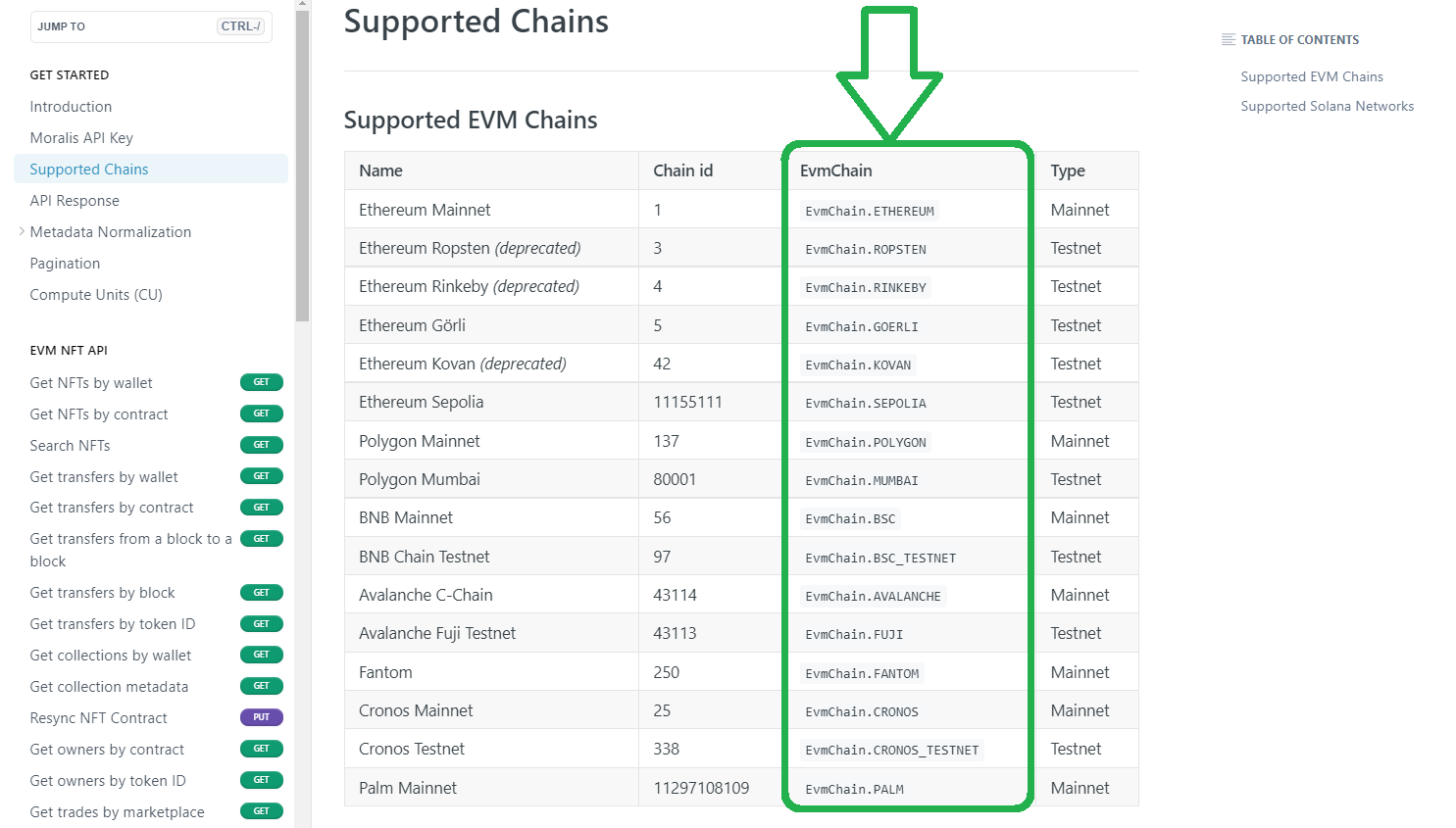
For the reason that Ethereum blockchain is the main focus of our Ethereum Web3 API tutorial, the above script makes use of “ETHEREUM“. Nonetheless, by changing this parameter with different supported chains, you can goal one other EVM-compatible chain.
Step 5: Fetching Blockchain Knowledge
Lastly, we’ve reached the a part of at present’s tutorial the place you’ll discover ways to implement the above-presented EVM API endpoints. We’ll first present you the right way to fetch native balances – within the case of Ethereum, that’s ETH. For that objective, Moralis offers you with the “getNativeBalance” endpoint. That is how you should utilize this endpoint in your “index.js” file:
async operate getDemoData() {
  // Get native steadiness
  const nativeBalance = await Moralis.EvmApi.steadiness.getNativeBalance({
    deal with,
    chain,
  })

  // Format the native steadiness formatted in ether through the .ether getter
  const native = nativeBalance.outcome.steadiness.ether

  return { native }
}

app.get("/demo", async (req, res) => {
  attempt {
    // Get and return the crypto knowledge
    const knowledge = await getDemoData()
    res.standing(200)
    res.json(knowledge)
  } catch (error) {
    // Deal with errors
    console.error(error)
    res.standing(500)
    res.json({ error: error.message })
  }
})

Our subsequent cease is ERC-20 balances. Following the above instance, we solely want to make use of a unique endpoint: “getWalletTokenBalances“. The latter is within the “token” EVM API subgroup. So, these are the traces of code you want to add to your script:
// Get token balances
const tokenBalances = await Moralis.EvmApi.token.getWalletTokenBalances({
  deal with,
  chain,
})

// Format the balances to a readable output with the .show() technique
const tokens = tokenBalances.outcome.map((token) => token.show())

// Add tokens to the output
return { native, tokens }
}

Final however not least, let’s use the “getWalletNFTs” endpoint from the “nft” EVM API subgroup to fetch the primary ten NFTs for a given deal with:
// Get the NFTs
const nftsBalances = await Moralis.EvmApi.nft.getWalletNFTs({
  deal with,
  chain,
  restrict: 10,
})

// Format the output to return title, quantity, and metadata
const nfts = nftsBalances.outcome.map((nft) => ({
  title: nft.outcome.title,
  quantity: nft.outcome.quantity,
  metadata: nft.outcome.metadata,
}))

// Add nfts to the output
return { native, tokens, nfts }
}
Full “index.js” Instance Script
That will help you keep away from any errors, you would possibly wish to copy the complete “index.js” file we’ve been working with above. As such, the next is the entire instance script:
const specific = require("specific")
const Moralis = require("moralis").default
const { EvmChain } = require("@moralisweb3/evm-utils")

const app = specific()
const port = 3000

const MORALIS_API_KEY = "replace_me"
const deal with = "0x9e8f0f8f8f8f8f8f8f8f8f8f8f8f8f8f8f8f8f8f"
const chain = EvmChain.ETHEREUM

async operate getDemoData() {
  // Get native steadiness
  const nativeBalance = await Moralis.EvmApi.steadiness.getNativeBalance({
    deal with,
    chain,
  })

  // Format the native steadiness formatted in ether through the .ether getter
  const native = nativeBalance.outcome.steadiness.ether

  // Get token balances
  const tokenBalances = await Moralis.EvmApi.token.getWalletTokenBalances({
    deal with,
    chain,
  })

  // Format the balances to a readable output with the .show() technique
  const tokens = tokenBalances.outcome.map((token) => token.show())

  // Get the NFTs
  const nftsBalances = await Moralis.EvmApi.nft.getWalletNFTs({
    deal with,
    chain,
    restrict: 10,
  })

  // Format the output to return title, quantity, and metadata
  const nfts = nftsBalances.outcome.map((nft) => ({
    title: nft.outcome.title,
    quantity: nft.outcome.quantity,
    metadata: nft.outcome.metadata,
  }))

  return { native, tokens, nfts }
}

app.get("/demo", async (req, res) => {
  attempt {

    // Get and return the crypto knowledge
    const knowledge = await getDemoData()
    res.standing(200)
    res.json(knowledge)
  } catch (error) {
    // Deal with errors
    console.error(error)
    res.standing(500)
    res.json({ error: error.message })
  }
})

const startServer = async () => {
  await Moralis.begin({
    apiKey: MORALIS_API_KEY,
  })

  app.hear(port, () => {
    console.log(`Instance app listening on port ${port}`)
  })
}

startServer()
Ethereum Web3 API – Exploring Methods to Use a Web3 Ethereum JavaScript API – Abstract
We coated fairly a distance in at present’s article. Beginning with the fundamentals, we defined what the Ethereum community is and what an API entails. With that data, you can perceive what an Ethereum Web3 API is. Subsequent, we launched you to one of the best EVM API you should utilize totally free. Lastly, you even had a chance to comply with our lead and full an instance NodeJS tutorial. As such, you now know the right way to create a easy NodeJS backend dapp that fetches native balances, token balances, and even NFTs.
Should you loved at present’s article and wish to be taught extra about blockchain improvement, ensure to take a look at Moralis’ different beneficial sources. In case you are extra into follow, dive into tutorials that await you within the Moralis docs. Nonetheless, if you’re focused on studying from movies or articles just like the one herein, you want to go to the Moralis YouTube channel or the Moralis weblog. A number of the newest subjects clarify the right way to hearken to the blockchain with ethers.js, what ERC 1155 NFTs are, what the Sepolia testnet is, the right way to get NFT collections utilizing Python and React, and rather more.
However, you is likely to be desirous to go full-time crypto as quickly as doable. If that’s the case, it is best to turn into blockchain licensed by enrolling in Moralis Academy. Amongst many different superb blockchain improvement programs, that is additionally the place to grasp DeFi – the way forward for finance.

