Arguments over whether or not the Vermont Regulation Faculty can be allowed to cowl up an artist’s mural that African American college students there discover objectionable, or if the artist’s rights as outlined by federal statute will compel the college to maintain it on view, have been offered final week in an appellate courtroom in Vermont.
The ruling doubtless can be intently watched by different establishments and municipalities across the nation the place different murals—and questions on what to do with them—have change into the focal factors of sometimes-bitter debates.
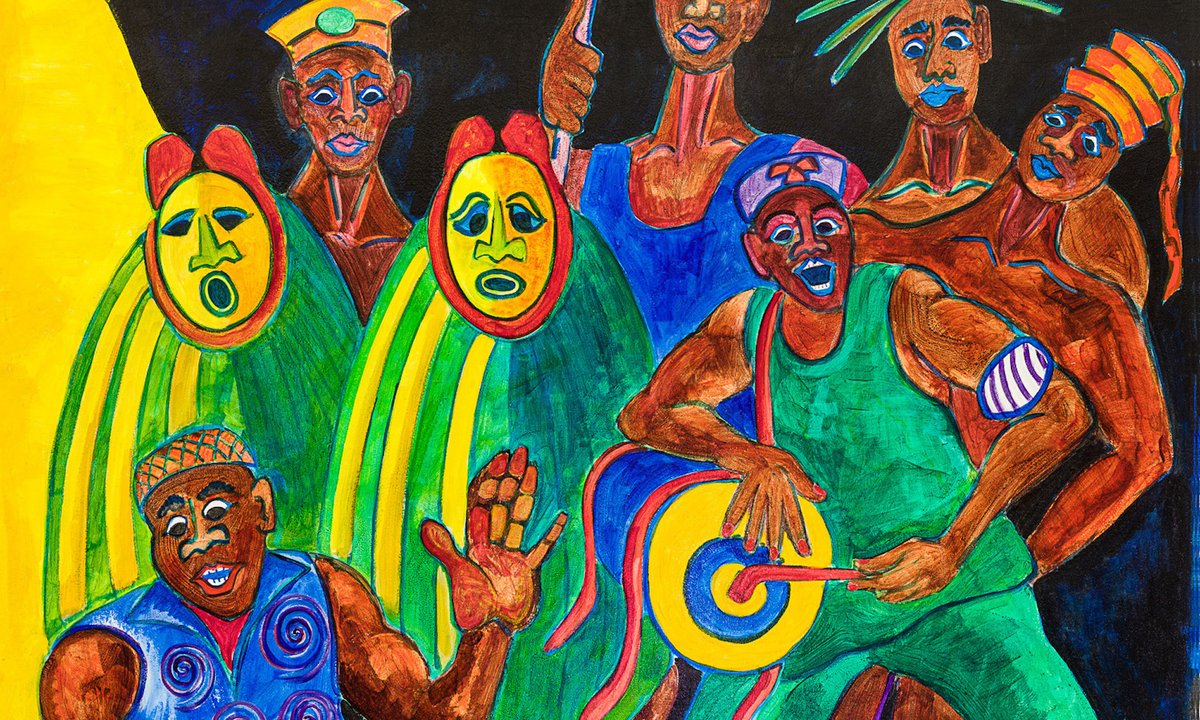
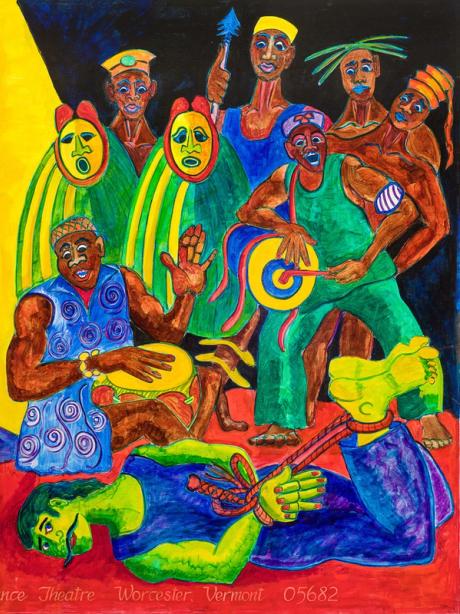
The murals in query have been commissioned in 1993 by the Vermont Regulation Faculty (now the Vermont Regulation and Graduate Faculty, or VLGS), and the artist Sam Kerson, 76, who presently lives in Trois-Rivières, Québec in Canada, was chosen to create painted photos celebrating Vermont’s position within the underground railroad, which enabled enslaved folks within the US South to flee bondage and flee to security within the northeast and Canada. In 1994, the murals have been painted immediately onto the sheet rock partitions in Chase Corridor at VLGS in South Royalton, Vermont. Every mural is eight toes by 24 toes in measurement, the primary entitled Slavery and containing 4 scenes: the seize of individuals in Africa, promoting people within the US, slave labour and rebel. The second mural is entitled Liberation and in addition incorporates 4 scenes: photos of Harriet Beecher Stowe, John Brown and Frederick Douglas Harriet Tubman arriving in Vermont, South Royalton Vermont residents sheltering the previously enslaved and Vermonters offering journey aide to the previously enslaved with the state capital within the background.
The preliminary reception of the murals was constructive, however by 2020 some college students voiced objections to the pictures, calling them “Sambo-like” and racist, based mostly on the best way during which Kerson depicted the enslaved figures. “The regulation faculty acknowledged that Kerson’s intentions in creating these murals have been good,” says Justin Barnard, the lawyer representing the college on this motion. “Nevertheless, over the a long time, and particularly after the demise of George Floyd in 2020, the college directors determined that they might not keep away from the voices of scholars who have been crucial of the murals.”
He added that “the that means of artwork modifications over time, and it raises attention-grabbing ethical and philosophical questions over what to do with controversial depictions of individuals, particularly when the artist will not be a member of the group being depicted”.
VLGS’s preliminary response to the protests by African American college students was to announce plans to color over the murals or to attach acoustic tiles to the wall, which the artist knowledgeable the establishment would violate his rights underneath the Visible Artists Rights Act (VARA), a 1990 modification to the US Copyright Regulation that protects the reputations of residing artists and prevents the homeowners of artworks of “recognised stature” from destroying them. It additionally forbids homeowners of those items from altering them indirectly with out the artist’s approval.
Kerson employed some carpenters who tried to take away the murals—a provision of VARA empowers artists to take again artworks that homeowners in any other case would harm or destroy—however discovered that doing so was not possible. Finally, VLGS determined to place a sequence of white panels immediately in entrance of, however not touching, the murals, which might preserve them from being considered with out actively damaging them. This led Kerson to file the preliminary lawsuit.
In October 2021, a district courtroom sided with the regulation faculty, discovering that “the intentional and everlasting walling-off and blocking from view of an inventive work of recognised stature, integrated right into a constructing, doesn’t rise to a cognisable declare underneath VARA”. Kerson hopes that the US Courtroom of Appeals will reverse that call.
Kerson’s lawyer, Steven Hyman, claimed that the district courtroom was “incorrect on the regulation” and that VLGS’s actions are stopping “the artist from having his paintings seen. VARA requires artwork to be seen. Once you block folks from seeing it, you’re prejudicing the artist’s popularity.” He added that if the district courtroom’s ruling is upheld, “you’re undoing VARA at its very core”.
Debates over murals have brought on controversy throughout the nation in recent times. In Georgetown, Texas final 12 months, a mural entitled Be Your Personal Particular person, painted by highschool college students on the facet of a constructing within the city sq., was attacked by native residents for selling an LGBTQ ideology based mostly on its inclusion of the rainbow flag. Comparable criticism arose final fall in Grant, Michigan over a highschool pupil’s mural on the wall of a center faculty well being centre. A mural on the again facet of a tattoo parlour in Midvale, Utah aroused indignation for its depiction of a unadorned man and girl “experiencing ecstasy”.
Maybe most contentiously—and most much like the Vermont case—a mural painted in 1936 on the wall of a highschool in San Francisco that reveals George Washington subsequent to a lifeless Native American and enslaved Black folks he owned, in addition to a Melancholy-era mural on the wall of a Chicago Public Colleges administration constructing that options Native People serving a white man, have sparked intense debate and criticism.
In 1979, a Nineteen Thirties-era mural by Walter Seaside Humphrey that confirmed drunken Native People being swindled out of the land that they had owned that ultimately grew to become the grounds of Dartmouth Faculty, was coated after college students on the faculty protested the imagery. In 2018, that mural was eliminated by the faculty and put in everlasting storage.
Artworks created within the years earlier than the enactment of the Visible Artists Rights Act wouldn’t be protected by the statute.

