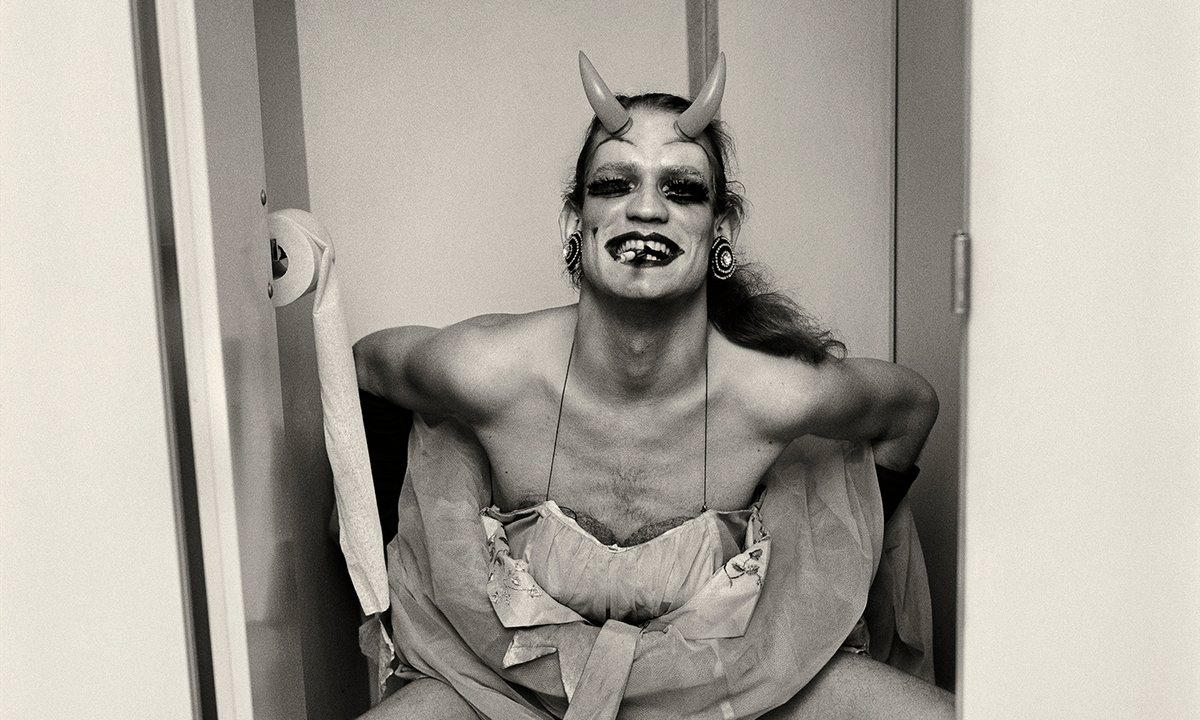
The late US photographer Peter Hujar as soon as stated: “My work comes out of my life. The folks I {photograph} are usually not freaks or curiosities to me. I like individuals who dare.” Hujar’s sitters appear to barely emote however dare to carry themselves up; they exhibit an attentiveness tending in the direction of the monumental. You’ll be able to see it in his 1975 portrait of the film-maker John Waters. Hujar positioned him in his studio, mendacity on darkish, velvety material, an nearly stable black mass from which face, chest and arms emerge.
Hujar was born in 1934 in Trenton, New Jersey, earlier than transferring to New York Metropolis as a toddler. Like fellow chroniclers of the town, equivalent to Diane Arbus and Robert Mapplethorpe, Hujar was influenced by the sq., black-and-white images of Richard Avedon and later received a coveted spot in a masterclass at Avedon’s studio in 1967.
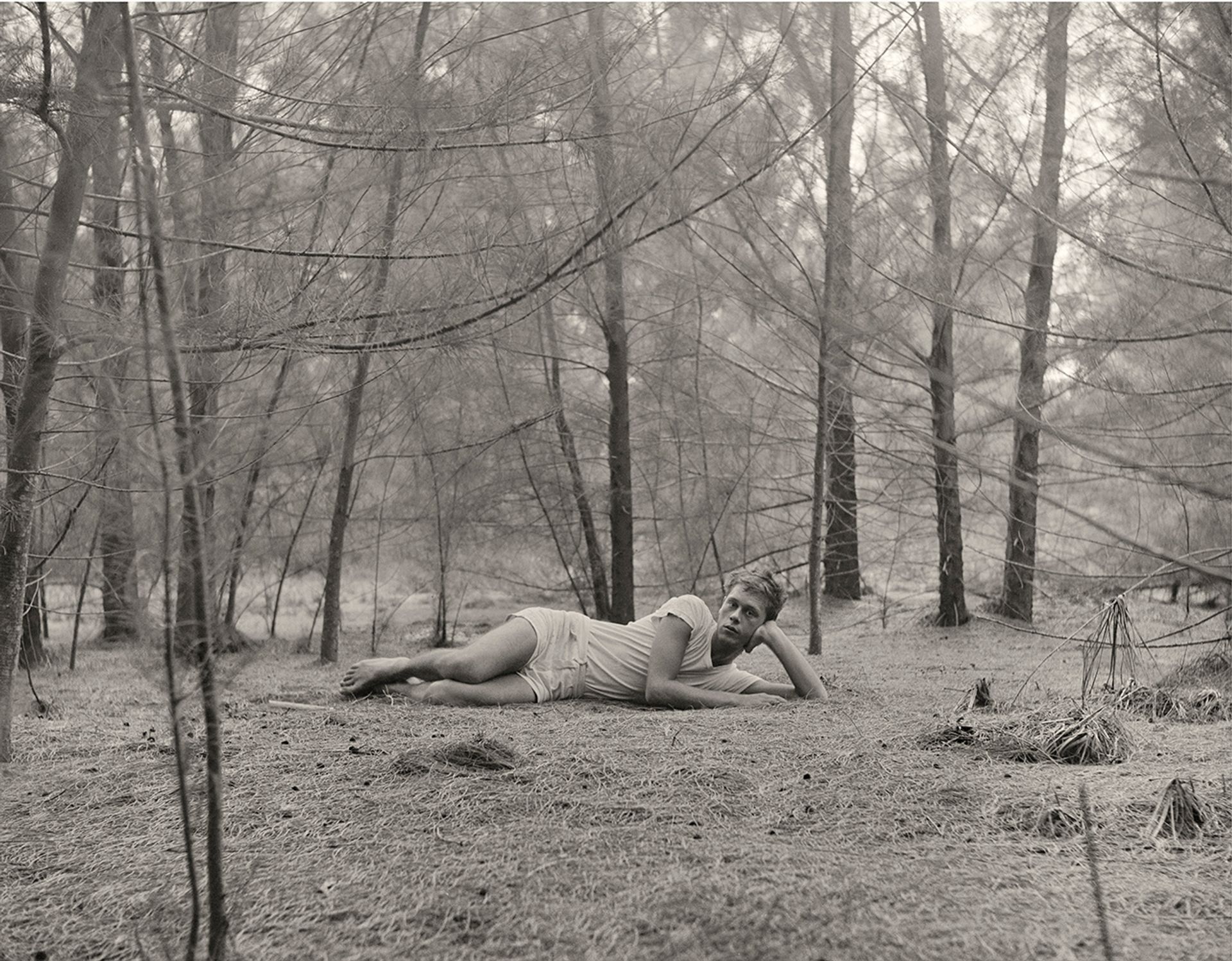
Hujar’s Paul Thek, Florida (1957) Courtesy of the Peter Hujar Archive / ARS, New York and Tempo Gallery, © Peter Hujar Archive, LLC
Hujar’s sitters resemble the psychologically complicated portraits of Julia Margaret Cameron of their assured self-possession and intimate disclosure. A few of them had been well-known—Waters, William Burroughs and Fran Lebowitz—or quickly to be. He recorded successive generations of downtown bohemians, but his work was far more than a doc of queer life and sensibility in New York.
Peter Hujar: Eyes Open within the Darkish at London’s Raven Row will attest to this expansiveness in Hujar’s work, past the hectic New York downtown scene. Its ambition, because the co-curator John Douglas Millar places it, is to resituate the work, to make us see the serene authority of the picture not simply within the portraits however in your complete breadth of Hujar’s images.
There are the Eugène Atget-esque portraits of structure in Manhattan and an exacting consideration paid in the direction of seascapes, vegetation and animal portraits. Within the late Nineteen Seventies, Hujar repeatedly visited rural Orange County, NY, the place his associates owned a farm and whose pair of cows seem in one in all Hujar’s pictures from 1978 with a sure diploma of majestic presence. Hujar lived on a farm in his early childhood and had an in depth affinity with livestock.
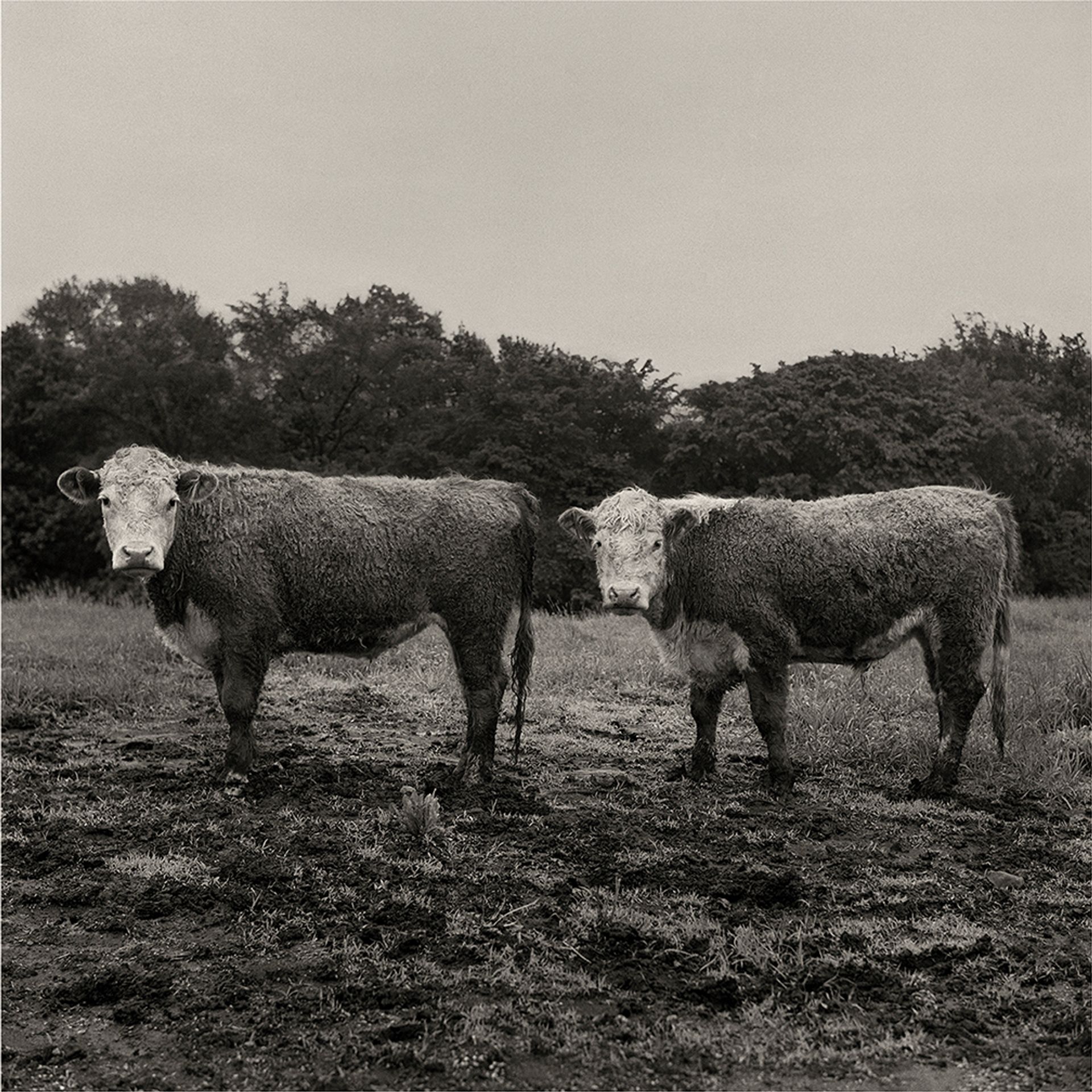
Hujar’s Butch and Buster, Hyrkin Farm, Westtown, New York (1978)
Photograph: courtesy Peter Hujar Archive/ARS, New York and Tempo Gallery; © Peter Hujar Archive
In 1980, Hujar met David Wojnarowicz; they had been briefly lovers and collaborated on numerous tasks. Hujar photographed Wojnarowicz’s mural work and graffiti artwork on the deserted Pier 34, a homosexual cruising location. In 1987, Hujar was identified with Aids-related pneumonia, and Wojnarowicz documented his final moments in luminous element.
In contrast with final 12 months’s acclaimed Venice present of pictures from Hujar’s 1976 e book Portraits in Life and Demise, Raven Row will focuses on the later years of his profession. The gallery’s director Alex Sainsbury sees the present as a uncommon likelihood to light up the work’s lesser-known corners, constructed on the intimate data and technical experience of the co-curator Gary Schneider, who met Hujar in 1977 and established a images lab with the artist John Erdman. Schneider prints Hujar’s work and so the complexity and richness of the photographs will probably be emphasised throughout the present. That was Hujar’s signature transfer—to seize a mixture of brutality and vulnerability in all his topics.
• Peter Hujar: Eyes Open within the Darkish, Raven Row, London, 30 January-6 April

