
Key Takeaways:
- The European Central Financial institution (ECB) says its technical work on the digital euro is essentially full, shifting the choice to EU lawmakers.
- ECB President Christine Lagarde frames the digital euro as a monetary stability anchor, not a bid to compete or set world examples.
- The undertaking features urgency amid rising geopolitical dangers, non-public stablecoins, and speedy adjustments in world fee programs.
The European Central Financial institution has moved a step nearer to introducing a digital euro, with President Christine Lagarde confirming that the establishment’s core work is completed and political choices now take middle stage. Talking on monetary stability and digital forex, Lagarde positioned the digital euro as a obligatory evolution of central financial institution cash in a digital age.
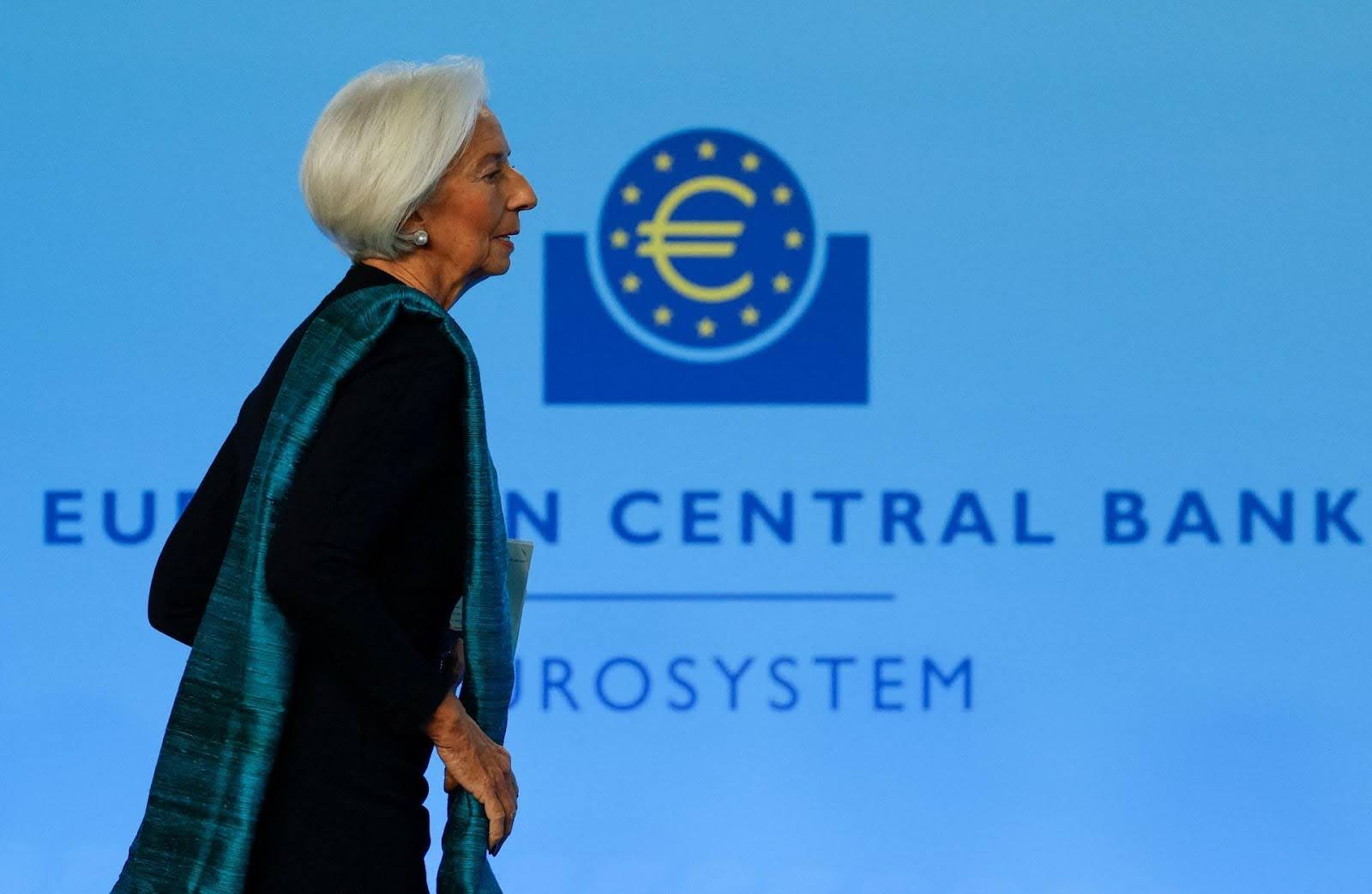
ECB: The Technical Part Is Largely Full
Christine Lagarde made clear that the ECB has already delivered on its mandate relating to the digital euro. The main focus now shifts away from engineers and policymakers contained in the central financial institution towards Europe’s legislative our bodies.
In accordance with Lagarde, the ECB has “carried the water,” which means the groundwork, technical design, and system issues are in place. The next procedures are that of the European Council and subsequently, the European Parliament. Such establishments should make choices on whether or not the proposal made by the European fee is agreeable and the way it may be moulded into laws or whether or not it needs to be reformed.
It is a sport changer for the undertaking. The digital euro is now not an imaginary and unproven undertaking. Relatively, it lies on the crossroads of regulation, governance, and belief of individuals. The ECB itself can’t subject a retail central financial institution digital forex (CBDC), even in case of technical preparedness, with out legislative approval.
Notably, Lagarde didn’t make deadlines or foresee outcomes. That restraint displays the ECB’s institutional function. Central banks design financial instruments, however democratic our bodies resolve whether or not these instruments ought to exist.
Learn Extra: Bybit EU Faucets Nasdaq Surveillance to Monitor 60B+ Crypto Trades, Strengthen MiCAR Compliance

A Digital Euro as a Stability Anchor, not a Showcase
Lagarde rejected the concept that the ECB goals to change into a worldwide function mannequin for CBDCs. As a substitute, she burdened a narrower and extra pragmatic goal: preserving monetary stability as cash turns into more and more digital.
Central Financial institution Cash in a Digital Age
Central financial institution cash has over a long time taken the bodily type of cash. Cash in pockets is a direct declare of the central financial institution, and the ultimate plank of confidence within the monetary system. That anchor is in peril of changing into weak with the money use changing into much less frequent and the transfer to on-line funds.
Digital euro is to fill this hole. It could be a sovereign cash, in digital format, emitted by the ECB, and publicly supported in addition to money. In Lagarde’s phrases, it will change into a “digital expression of sovereignty” and a stabilizing drive for Europe’s monetary system.
This framing issues. The ECB isn’t advertising and marketing the digital euro as a glamorous innovation or as a risk to non-public fee functions. Relatively it’s placing it within the class of being a necessity infrastructure identical to money, solely modernized to suit a modern-day enterprise.
Design Priorities: Velocity, Privateness, and Offline Use
The design of the digital euro needs to be based mostly on some ideas, which Lagarde talked about. These priorities are a direct reply to the residents, legislators, and market considerations.
Learn Extra: UK Units October 2027 Deadline to Regulate Crypto, Extending Monetary Guidelines to Digital Belongings
The ECB wishes that the digital euro needs to be:
- Consumer-friendly: Not technical really easy to make use of by customers and service provider.
- Low-cost: Formulated in an effort to cut back the prices and guarantee that it doesn’t overburden the customers or the middlemen.
- Quick and environment friendly: Is ready to course of the each day transactions with ease.
- Personal: Offering excessive privateness ensures, it’s nearer to cash in comparison with the present digital fee programs.
- Resilient: Capable of perform each on-line and offline, making certain reliability throughout outages or crises.
A really fascinating function is offline performance. It’s an indicator that the ECB considers the digital euro not solely as a comfort, but in addition as a resilience instrument. Throughout cyber tragedies or community interruptions, individuals shouldn’t be on the mercy of the web in an effort to achieve entry to their cash.
One other factor that Lagarde spoke of was steady cooperation within the Eurosystem, noting that the nationwide central banks have been intently concerned, with Italy and different member nations strongly supporting this.

